11 Things Many Yoga Teachers Have Stopped Doing. Here's My Answer to Each One
I came across an article in Yoga Journal listing 11 things many yoga teachers have stopped doing in their classes. I thought it would be interesting to go through them one by one and tell you what I think. It's also a good way for you to get to know how I teach.
- Creating a different sequence every class
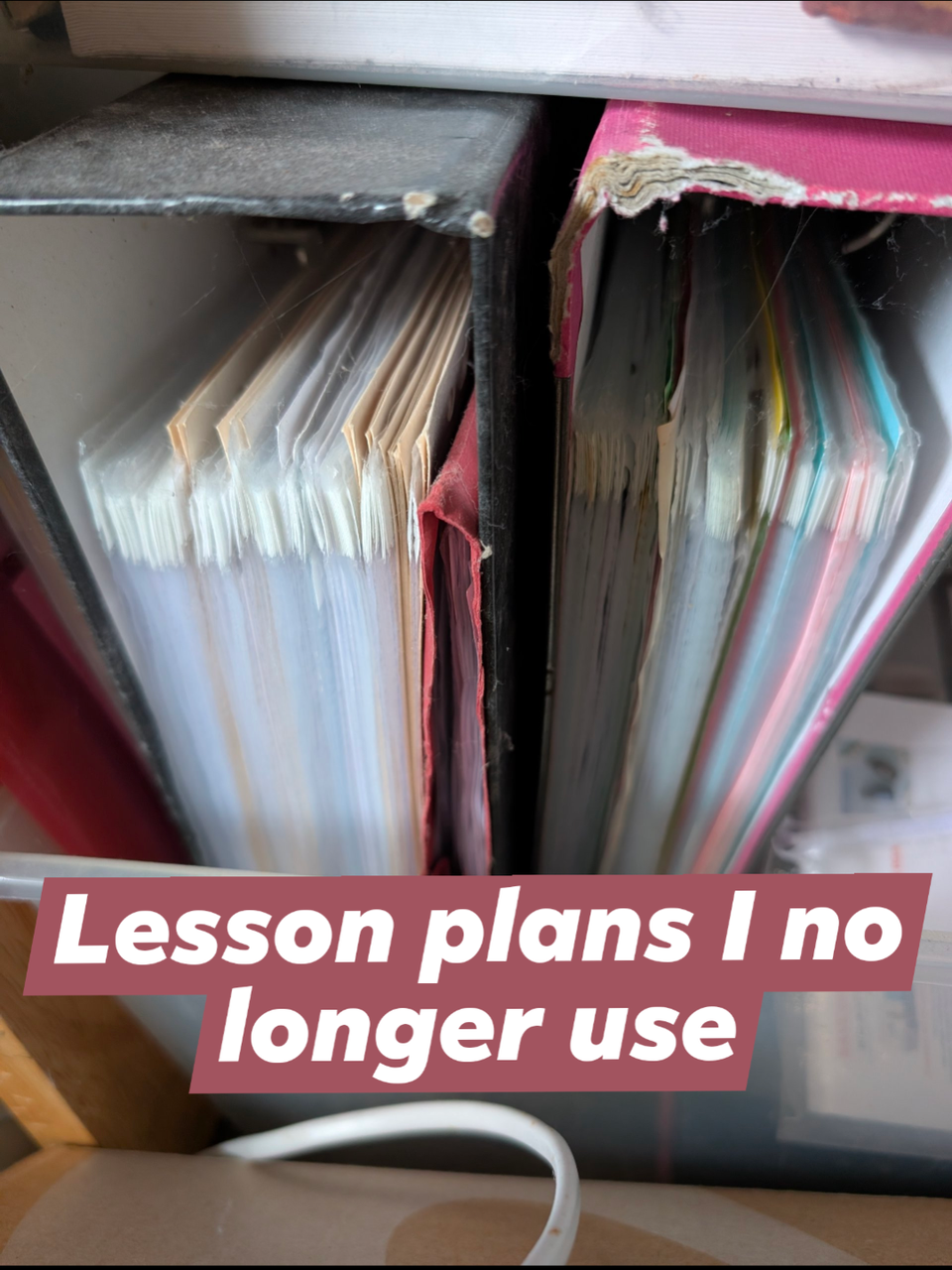
I used to spend hours planning. When I look back at my old lesson plans, I put enough into one class for about two days' worth now. These days there's a skeleton to my class. I can teach the same sequence for six weeks and change the emphasis each week: how we use the breath in the posture, how we combine movement with breath.
I once went to a teacher where you could set your clock by what they did and when, down to the same joke at the same moment each week.
That was interesting, but it's not how I teach.
My classes always start lying down, because if people are standing or sitting they still look around. Lying down lets them switch off.
Then we notice the body, how we're feeling and what thoughts are going on, then the breath, and the movement grows from there.
I've also had to be careful this last year because of my own health, and there have been times, like after my caesareans, when I taught from a chair. I got very good at describing what to do rather than just showing it. I was back teaching a week after my caesareans, and more recently after burst appendix and peritonitis, getting dropped off at class by my fabulous chauffeur AKA my wonderful hubby.
- Making every cue anatomically accurate
I'll tell you to breathe towards your belly, and I'll use the word diaphragm too, but I keep my language open and everyday so people can understand it.
That's my method, isn't it? Real.
I teach to the people in the room.
I've taught in prisons, and I used different language there than I did in schools, where I chose words to suit the age of the children.
- Sticking to the old alignment rules
I've had Iyengar training, and I'll bring in bits of it and sometimes get quite specific, but I teach function rather than form. I'm very open that I don't like the perfect-posture yoga books and DVDs.
If you've got long arms and a short body, a forward bend is a different posture from the one for someone with short arms and long legs.
So the question is: what is this posture supposed to be doing?
In a seated twist, it doesn't matter what your legs are doing, whether you're kneeling, cross-legged or straight-legged. Get the lower body comfortable, then deal with what's happening in the upper body.
I also like a bit of humour
In head-to-knee pose, which I call chin to shin, because that's what we're aiming for, I'll say "now rest your forehead on your shin" and have a chuckle. There's only one person in my class who could ever do that, she's very bendy, and I tell her to stop before she gets halfway to her knee - we are all unique.
- Automatically offering hands-on assists
I'm not hands-off, and I'm not hands-on all the time. I'll come off my mat or chair if I see someone about to do something that would really be detrimental to them. A finger touch on a shoulder can help it drop faster than me saying "drop your shoulders". I don't mean pushing people into positions. Just light touch, it takes the awareness to that part of the body. And I always ask first.
- Spending hours on a playlist
I don't use music. I did years ago, in relaxation, when I first started teaching. But music can trigger memories for people. And I want people to learn that all they need is themselves and their breath.
For years I worked with prisoners who can be moved at a moment's notice without their belongings, and if they've come to believe they can't meditate or practise without this mat, this chair or this music, they're in real trouble.
- Believing longer practices are better
No. In the prisons I taught a staff class first, and because of lockdowns we sometimes ended up with only five or ten minutes. A couple of tense-and-release breaths is more than enough.
I'm as guilty as anyone of thinking "I haven't got time for a practice, so I won't start".
It's better to do something. It's like pots by the sink: move one step forward, run the bubbly water and put them to soak. Rather than thinking you have to clean the whole lot and tidy the kitchen.
- Judging my worth by class attendance
I have a core of people who've been coming for over 20 years, and the newer people blend in beautifully. I've taught in a gym where they wanted 60 in a class, and at the university, where the room was crammed in the first week of term and we had to split it into two back-to-back classes.
It might have been a bit of an ego boost, but they weren't coming for me. They'd just seen yoga on the timetable.
The room I teach in now is huge and I could take more people. But I cap the numbers so people are comfortable and not lost in a big class.
It means I can teach the people who are actually there. In a class where they need the numbers, the bums on the mats, you're just delivering a script, and there's no room to deviate.
- Shying away from mental health
I've always said that for me yoga is more than physical. When people ask what yoga will do for them, I say you've got to try it, because for me it has been more about the mental and emotional effect.
Sure we have an awareness of muscles (if you have ever joined me on the mat you will get that inside joke about how you feel the day after certain postures) but the true benefit for me with yoga is the calm, the stillness, learning that on the mat and then carrying it into my day, my home, my week.
- Trying to teach like everyone else
People ask "what yoga do you teach?" and often don't know themselves what they're asking.
There's Jnana, Bhakti and Karma yoga, which don't touch physical postures at all.
Then there's Hatha, which is everything in the West that uses physical posture and breath.
Within Hatha there are different traditions: Iyengar, Desikachar's Viniyoga, Ashtanga with Pattabhi Jois, to name just a few.
Then, for crying out loud, there's even gin yoga and puppy yoga. Give me a break. That ain't yoga. They tag the word yoga on it so they can market it and sell it. It might be fun but it is as far removed from yoga consciousness as you could get.
So I've always said I teach Linda yoga.
That's not ego. I teach what I practise myself.
At different times I've had a Viniyoga teacher and an Iyengar teacher, and I've practised both alongside each other.
How I teach is very gentle, and more about getting people still.
My current personal pratice? I haven't been well enough to do the physical Ananda classes, though I keep my subscription to support them and one day I will be back on the mat more.
I'm open that you get what I currently practice.
I don't want to teach physical sequences online either. There are more than enough YouTube videos out there, and too many people perfecting yoga, being busy doing yoga.
There's not enough stillness in the world.
"Be still and know that I am God" is something I like to use in the right setting. And I've been guilty of the opposite myself.
Before I had children I taught a 6am class, then a morning class ten miles away, then back to the first venue for a mid-morning class, then a lunchtime class in town, then two university classes back to back, then an evening class on one side of town and another on the other side, from 6am till 9pm. I ate while I was driving between classes.
Then I added kids, dropping them at my mother-in-law's while I went to teach.
I was so busy relaxing everybody else that I had no stillness of my own.
- Taking photos or videos while students are in savasana
I don't. One of my adverts has a photo from a big hall, taken with permission. It's bodies under blankets, no one is identifiable, and I'm right at the back. Unless you were in that room and knew where you were lying that day, you wouldn't know. I do have a photo of my husband demonstrating how to lie down for yoga nidra, but that's because I needed a photo and he is a happy model that is very, very good at being still.
- Ending class with namaste
I went through that twee period when I first started teaching, hands together, saying namaste. I don't do it now. I'm not a Hindu and I'm not Indian, so why would I go round using language that isn't mine? If I say anything at the end, I ask my students to thank themselves for taking time out of their busy life for themselves that day.
One more thing. The article mentions “holding space”. What does that even mean? I see it bandied about everywhere. I’d rather just say I look after the people in the room.
So that’s my 11
Now I’d love to hear from you. Which of these 11 surprised you most, or is there something your teacher does (or doesn’t do) that you really love? Tell me in the comments.
Lx
PS. If you’d like to read the original, it’s Rachel Land’s article in Yoga Journal: 11 Things Many Yoga Teachers Have Stopped Doing in Their Classes
https://www.yogajournal.com/teach/yoga-teachers-stop-doing/
Member discussion